
Affordable Vet Care That Puts Your Pet First Without Breaking Your Budget
Most pet owners don’t realize that affordable vet care can cost up to 70% less than a traditional clinic visit. It works by connecting you with community-based clinics, nonprofit partners, or subscription plans that spread routine checkups and emergency visits into simple, low monthly payments. You can oak tree animal hospital use it by searching for participating providers in your area or asking your current vet about sliding-scale options, then booking directly through their phone line or website. This approach lets you keep your pet healthy without choosing between their care and your rent.
How Much Should You Really Pay for a Vet Visit?
A standard **affordable vet** visit for a basic exam typically falls between $50 and $75, but the final cost for **how much should you really pay for a vet visit** hinges entirely on what’s included. Insist on a line-item breakdown; a bare consultation fee is your baseline. Avoid clinics that auto-bundle unnecessary add-ons like flea meds or “wellness panels” without asking. Instead, ask upfront if a physical exam, weight check, and history review are bundled. For a truly affordable vet, expect to pay more for vaccines or diagnostics, but negotiate the exam fee alone. Always call three local clinics and quote a “no-extras” price for a healthy pet’s checkup—that number is your realistic benchmark.
Breaking Down the Typical Cost of a Checkup and Exam Fee
A standard veterinary checkup typically splits into two line items: the examination fee and the office visit charge. The exam fee, usually ranging from $50 to $75 in urban areas, covers the veterinarian’s time for a nose-to-tail assessment—heart, lungs, ears, skin, and palpation. The office visit fee, often $20 to $40, is a facility charge for room use, basic supplies, and medical waste disposal. Bundling these into a single “wellness exam” can inflate the total to $100 or more, but many affordable vets offer a **standalone exam fee discount** when you book during off-peak hours or as a new client. Always ask for an itemized breakdown, because a clinic that separates these costs transparently is easier to budget with than one that hides them in a flat package price.
An exam fee of $50–$75 plus a $20–$40 office visit is the typical baseline; requesting itemization and off-peak appointments keeps that combined cost closer to $70.
Why the Price of Vaccinations Varies So Much Between Clinics
Vaccination pricing swings wildly because clinics bake different costs into the same shot. A core vaccine’s price often reflects overhead—think exam-room time, syringe disposal, and staff wages—not just the vial’s cost. Low-cost clinics run lean, high-volume schedules, passing savings to you. Full-service hospitals may include a mandatory physical exam in the quote, boosting the total. Your location matters, too: urban rent and specialist salaries inflate fees. Comparing vaccination costs between clinics means asking for an itemized breakdown upfront, then checking if a “package deal” actually covers boosters you need. Always confirm whether the price includes rabies tags or microchipping. This gap is normal, so shop around—your pet’s wallet benefits.
- Ask if an exam fee is folded into the shot price or charged separately.
- Request the price per specific vaccine (e.g., DAPP vs. rabies) to spot markup.
- Check mobile or community clinics for lower overhead, lower per-dose rates.
What’s Included in the Base Exam Fee—and What’s Extra
The base exam fee at an affordable vet typically covers the physical check-up, basic history review, and a professional assessment—but it rarely extends beyond that. To avoid surprise charges, ask upfront what’s bundled: most clinics include temperature, heart rate, and preliminary palpation, while diagnostics and treatments are always extra. Expect separate line items for vaccines, fecal tests, bloodwork, or nail trims. A clear sequence to follow at check-in: confirm the exam cost, request a written estimate for any add-ons, and approve only what’s essential. This prevents “extras” like ear cleaning or disposal fees from inflating your bill.
Where to Find Low-Cost Clinics and Savings Programs Near You
You’ll often find low-cost vet clinics tucked inside local animal shelters, which open their doors to the public a few days a month—call yours and ask for their wellness calendar. For savings programs, check national nonprofits like the Petco Foundation’s vaccine events or the ASPCA’s database, which filters by zip code for reduced-cost spay and neuter. Many community centers partner with roving vets who charge on a sliding scale, so a quick scan of your town’s Facebook group or Nextdoor can surface a pop-up clinic in a church parking lot next Saturday. Ask your current vet directly about “care credit” or in-house membership plans—they hide these from no one, but rarely advertise them.
The real trick is timing: call shelters in early spring, when grant-funded spay days fill up fast.
Also, pharmaceutical savings apps like GoodRx for pets can cut prescription costs at human pharmacies when your vet writes a generic script.
How to Locate Nonprofit and Community-Based Veterinary Services
Start by searching online for nonprofit and community-based veterinary services using terms like “low-income vet clinic” plus your city or county. Contact your local animal shelter or humane society, as they often operate subsidized clinics or maintain referral lists. Check with municipal animal control offices, which frequently partner with charities for spay/neuter and vaccination events. Use national databases such as the ASPCA’s or Humane Society’s search tools filtered by zip code and service type. Call 2-1-1, a free helpline connecting callers to local health and social services, including vet assistance. Visit food banks or community centers, where flyers for mobile vet units are often posted.
- Search “nonprofit vet services” plus your zip code on search engines.
- Ask nearby shelters for their community clinic schedule.
- Use the ASPCA’s online locator for subsidized care.
- Inquire at your local library or senior center about mobile clinic visits.
Using Mobile Vet Units and Pop-Up Clinics for Big Discounts
Looking for a serious bargain on shots or checkups? Mobile vet units and pop-up clinics are the secret weapon for slashing costs on routine care. They set up in parking lots or community centers, cutting overhead to pass savings straight to you. To land the best deals, check your local shelter’s social media for dates. Then, call ahead to confirm which services—like vaccines or microchipping—are discounted. Finally, arrive early, since these events fill up fast and often operate first-come, first-served. You’ll skip the exam fee at a brick-and-mortar clinic entirely, making this a no-brainer for budget-friendly pet parenting.
Vaccination Drives and Wellness Fairs: What They Offer and How to Book
Vaccination drives and wellness fairs compress essential preventive care into single, low-cost visits, often priced at a fraction of a clinic exam. They typically offer core vaccines (rabies, distemper, parvovirus), microchipping, and basic health screenings like heartworm tests or nail trims. Booking a spot at a local wellness fair usually requires checking your county shelter’s website or pet supply store bulletin boards for dates. To secure a slot, call the listed number or use an online reservation link, as walk-ins are often capped. Arriving early is wise because vaccine supply per event is finite and sold on a first-come basis. If pre-registration is required, follow this sequence:
- Find the event via shelter social media or a vet’s notice board.
- Call ahead to confirm vaccine brands and any age restrictions.
- Book by phone or the provided sign-up form, then confirm your time.
Cutting Costs on Surgery, Dental Work, and Emergency Care
To cut costs on surgery, dental work, and emergency care with an affordable vet, prioritize prevention and staged treatment. For dental work, ask if a non-anesthetic cleaning is safe for your pet—this avoids surgical sedation fees. For planned surgeries, request a written estimate and inquire about a care credit plan or a bundled discount if you combine procedures like a spay with a dental. In emergencies, call your affordable vet first; they often offer in-house payment plans or a reduced “drop-off” fee that bypasses pricier after-hours clinics. Also, ask if they can prescribe medications from a human pharmacy to save 30–50% on post-op prescriptions. Finally, never skip the pre-anesthetic bloodwork—catching issues early avoids a canceled surgery and wasted deposits.
How to Get a Fair Price Quote for Spay, Neuter, and Dental Cleanings
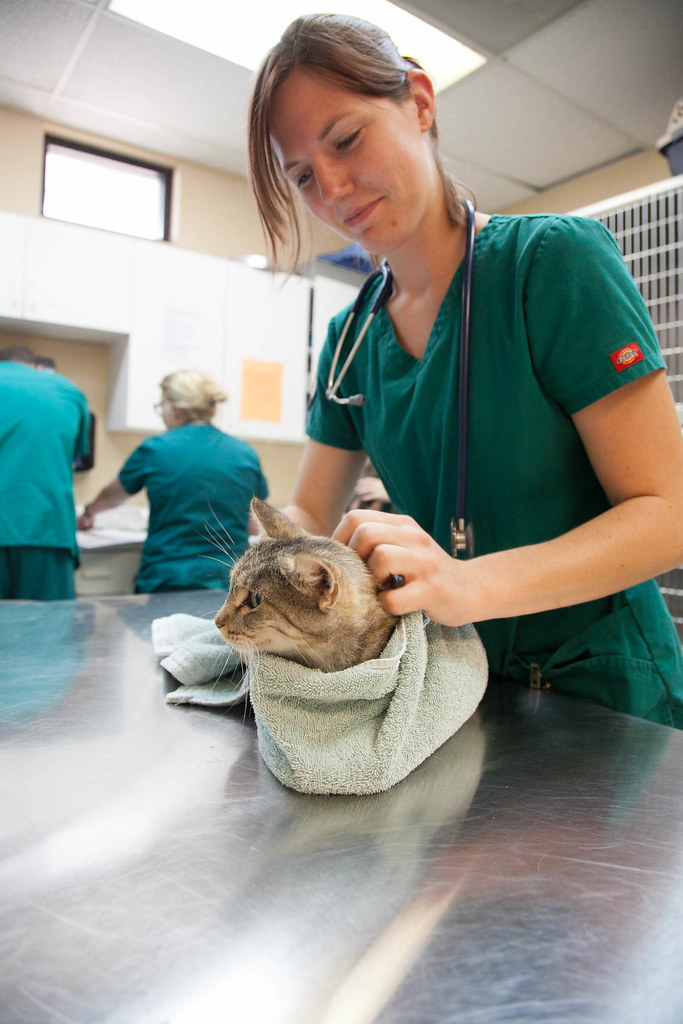
To secure a fair price for spay, neuter, and dental cleanings, start by requesting itemized quotes from three clinics, not just a single lump sum. Ask exactly what the quote includes—anesthesia monitoring, pain medication, IV fluids, and post-op antibiotics often get tacked on later, inflating your bill. For dental work, specifically ask if the quoted price covers full-mouth X-rays and extractions, or if those are billed per tooth. Comparing itemized estimates is your strongest negotiation lever for matching high-quality care to realistic budgets.
- Call low-cost vaccine clinics; many offer spay or neuter packages with dental polishing at a steep discount.
- Ask your vet to price-match a competitor’s written estimate for identical services.
- Inquire about a “dental bundle” that includes cleaning, exam, and one or two extractions in one flat fee.
- Request a written quote valid for 30 days so you can compare without pressure.
When a Vet School or Teaching Hospital Is Your Best Budget Option
When a vet school or teaching hospital becomes your best budget option, you gain access to advanced diagnostics and specialist care at a fraction of private clinic prices. These institutions offer significantly lower fees because student veterinarians perform procedures under board-certified supervision, passing savings directly to you. This option shines for complex surgeries, orthopedic repairs, or cancer treatments where a general practitioner lacks equipment. Expect longer appointment times, since students document thoroughly, and you must commit to all follow-ups at their facility. If your pet needs multi-step emergency care or a rare procedure, a teaching hospital’s comprehensive on-site resources—ICU, imaging, and blood bank—often outprice private referral centers. Just call ahead to confirm they accept your case type and budget for possible travel if the nearest school is far.
Payment Plans, Care Credit, and In-House Financing—What to Ask For
When your vet hands you a big estimate, don’t panic—ask directly about payment plans and vet financing options before you commit. First, inquire if they offer in-house payment plans, which often have zero interest if paid within a set term, but clarify late fees upfront. For Care Credit, confirm the clinic accepts it and whether your procedure qualifies for a promotional “no interest” period—just know the deferred interest will hit hard if you miss the payoff date. Also ask if they bundle discounts for paying a lump sum or if they can split charges across multiple cards. A quick phone call now saves you from sticker shock later.
- Ask for the exact interest rate and penalty schedule on any in-house plan.
- Check Care Credit’s minimum monthly payment, not just the “no interest” window.
- Request a written breakdown of fees added for using financing vs. cash.
- Confirm whether a deposit is refundable if you cancel the procedure.
Choosing the Right Budget-Friendly Vet Without Sacrificing Quality
Finding an affordable vet that still delivers top-tier care starts with scrutinizing their diagnostic culture, not just their price list. Look for clinics that offer transparent, itemized estimates before any procedure, ensuring you pay only for what is medically necessary. A budget-friendly vet will often use graduated treatment plans, starting with conservative therapies before recommending costly surgery—ask directly if this is their approach. Quality care rarely means the cheapest option upfront, but rather avoiding redundant tests and emergency callbacks later. Check if the clinic has an in-house pharmacy and lab, since third-party markups inflate costs significantly. Most importantly, gauge how the vet communicates: a great one explains why a cheaper alternative works, not just that it costs less. Prioritize clinics that bundle routine wellness exams with vaccinations, as this reduces total outlay. Always verify their emergency referral protocol—an affordable vet who partners with a specialty hospital saves you from catastrophic, unprepared costs without compromising your pet’s acute care.
Red Flags to Spot When a Price Seems Too Good to Be True
When a vet’s price undercuts every clinic in town, treat it as a warning, not a win. Red flags to spot when a price seems too good to be true include upfront “package deals” that exclude bloodwork, anesthesia monitoring, or follow-up exams—then hit you with itemized surprise fees. Also beware of quotes given without a physical exam or a clear breakdown of what’s covered. A suspiciously low spay or dental quote often means minimal pain management, no IV fluids, or reused single-use supplies. Trust your gut: if the receptionist dodges questions about hidden costs, walk away. Real savings come from transparent pricing, not vague promises that collapse into emergency bills later.

- Vague estimates that omit pre-anesthetic blood tests or hospitalization costs.
- Pressure to pay upfront before explaining post-op care or complications coverage.
- Reluctance to provide a written itemized quote—legitimate budget vets encourage comparison.
- Dramatically lower prices than nearby clinics for the same procedure, with no logical reason.

Questions to Ask Before Your First Appointment to Avoid Hidden Fees
Before committing to a new clinic, ask pointed questions that expose the real cost of care. Inquire if the quoted exam fee includes basic diagnostics like a temperature check or nail trim, or if those are billed separately. Directly ask about “treatment plan” markups and whether medications are dispensed in-house or if you can fill them at a human pharmacy for less. Clarify if you pay for every phone consultation or follow-up call after treatment, and confirm what happens if your pet needs a recheck—is that visit free within a week? Also, question the price of after-hours support. Crucially, ask for a written estimate that itemizes **unexpected surcharges for anesthesia or hospitalization** before any procedure. This transparency protects your budget from surprise line items.
How to Compare Online Reviews and Local Recommendations for Value
To compare online reviews with local recommendations for value, first isolate cost-related feedback from both sources. Scan review platforms for mentions of price transparency versus surprise billing, then cross-check those claims against what neighbors or pet owners in your area report paying for comparable services. A recurring local tip about a vet who waives exam fees during slow hours may outweigh a single online complaint about wait times. For reliability, apply the “three-source rule”: only trust a value claim—whether cheap vaccines or free follow-up visits—if at least two online reviewers and one local contact independently confirm it. Finally, ask local advocates which reviews they discount, as they often know which complaints stem from miscommunication rather than actual cost issues.
- Filter reviews for phrases like “bill,” “quote,” and “hidden fee” before reading subjective praise.
- Compare the median price mentioned locally against the range cited in online review scores.
- Prioritize local recommendations from owners of similar breeds or health conditions to match your cost profile.

Smart Ways to Lower Ongoing Pet Care Costs All Year Round
Keeping pet care affordable requires shifting from crisis spending to consistent, preventative habits. The smartest way to lower annual vet bills is to establish a relationship with a cost-conscious clinic that offers wellness plans, bundling annual exams, vaccines, and parasite prevention into a predictable monthly fee. Ask your vet for a written estimate before any procedure, and always compare prices for prescription medications—many clinics will price-match online pharmacies if you ask. Invest in dental health at home by brushing teeth weekly; this single habit can prevent costly extractions later. Also, track your pet’s normal weight and behavior monthly so you catch issues early, when they are cheaper to treat. Remember, skipping a vaccine or exam to save $50 often leads to a $500 emergency visit, so prioritize the core preventive schedule. Finally, request annual bloodwork only when clinically indicated, not as a routine add-on, and ask if your vet offers free weight checks or nail trims between visits.
Preventive Care Habits That Slash Future Vet Bills
Preventive care habits that slash future vet bills start with daily at-home checks, catching issues before they become costly emergencies. Brushing your pet’s teeth three times a week prevents periodontal disease, which can lead to expensive extractions and heart complications. Keeping your pet at a lean weight through measured portions reduces arthritis and diabetes risks, avoiding lifelong medication costs. Consistent parasite prevention—year-round flea, tick, and heartworm protection—is cheaper than treating vector-borne illnesses that require diagnostics and hospitalization. Schedule annual wellness exams even when your pet seems healthy; these visits catch early kidney or thyroid issues while treatments remain inexpensive. Investing fifteen minutes weekly in ear cleaning and nail trims prevents painful infections and split nails that demand urgent care visits.
- Perform weekly coat and skin checks for lumps, ticks, or hot spots
- Track water intake and litter box habits daily to spot early organ problems
- Ask your vet for a written dental home-care routine during each checkup
When to Use Telehealth or Online Vet Services Instead of a Visit
Skip the exam fee for minor issues like a sudden limp, mild diarrhea, or a weird rash by first using a telehealth vet consultation. These virtual check-ins cost a fraction of a full visit and let a professional decide if you actually need the clinic. Use them for medication refills, dietary questions, or post-surgery follow-ups where photos and video work fine. But go straight to a physical vet if there’s heavy bleeding, breathing trouble, or a suspected blockage—telehealth can’t replace hands-on triage.
- Ask about parasite prevention adjustments without paying an office visit.
- Share videos of coughing or scratching to get a same-day treatment plan.
- Confirm whether a new lump needs immediate biopsy or just monitoring.

Setting Up a Simple Monthly Savings Plan for Pet Health Emergencies
Setting up a simple monthly savings plan for pet health emergencies starts by choosing a dedicated high-yield savings account and automating a fixed transfer right after payday—even $25 monthly builds a meaningful buffer. Affordable vet care depends on having cash ready when urgent issues arise, so treat this contribution like any non-negotiable bill. First, calculate your pet’s annual routine care cost, then triple it to set a realistic emergency target. Next, divide that target by 12 and adjust the monthly amount to fit your budget. Finally, review the balance quarterly, increasing contributions when possible. A small, consistent fund often prevents turning a treatable injury into a financial crisis. This separate reserve also lets you negotiate payment options with veterinarians from a position of preparedness.